Diesel Mechanic Jobs in 2026: Why Demand Is Growing and What Employers Want
Diesel mechanics is the one trade that in my experience and knowledge, is not slowing down any time soon! The demand for skilled diesel techs is stronger than ever heading into 2026. I’ve worked in workshops, service departments and dealership environments for more than a decade, and I am aware of what employers look for…
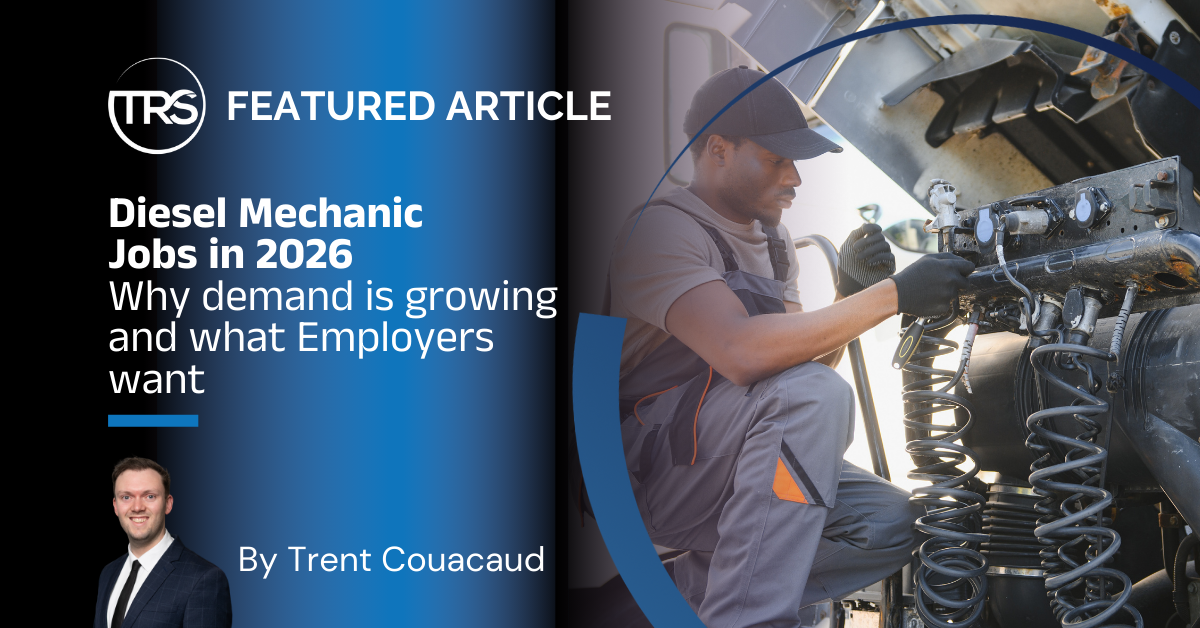
Diesel mechanics is the one trade that in my experience and knowledge, is not slowing down any time soon! The demand for skilled diesel techs is stronger than ever heading into 2026.
I’ve worked in workshops, service departments and dealership environments for more than a decade, and I am aware of what employers look for because I’ve lived it, and now, on the recruitment side, I see exactly where the skill shortages are and what mechanics need to do.
If you’re a diesel mechanic looking for a new role in the new year, here’s what’s happening in the automotive industry and some of my tips on how to position yourself for the best opportunities.
Why Diesel Mechanics Are in Such High Demand Right Now
Australia’s transport and automotive sectors are well under pressure with workshops being booked out months in advance. Dealerships need techs who can handle both diesel and emerging hybrid systems.
And across the board, employers are saying the same thing:
“We just can’t find enough good mechanics.”
There are three big reasons for this:
- A growing shortage of qualified mechanics – Few apprentices now enter the trade, and experienced techs are retiring or going into other industries and roles.
- Diesel tech is getting more specialised – Modern diesel engines are unlike the ones many of us started on. More electronics. More diagnostics. More emissions systems. Hence why workshops need mechanics who can keep up.
- Transport, agriculture, resources, and dealerships rely heavily on diesel engines – You probably don’t realise this but skilled mechanics keep entire fleets, sites and operations moving which is why this trade is one of the most valuable in the country.
What Diesel Mechanics Actually Do Today (It’s More Than Spanners)
Diesel mechanics that are in demand are required to confidently handle:
- Fault-finding using diagnostic scan tools
- Electrical and electronic troubleshooting
- Emissions and AdBlue system repairs
- Diesel particulate filter (DPF) servicing
- Preventative maintenance for fleet reliability
- Engine rebuilds and driveline work
- Hydraulic and pneumatic systems (for heavy equipment)
This being for dealerships, fleet workshops, transport companies, civil, or heavy machinery service centres, the combination of mechanical and diagnostic ability is what employers need.
The Skills That Are Most In Demand Right Now
Here’s exactly what employers are asking TRS Resourcing for when they brief us on diesel roles. If you’ve been on the tools, you’ll recognise most of these, but having them clearly listed on your CV gives you a major advantage.
- Strong diagnostic and fault finding skills
- Modern diesel work is diagnostic heavy so you need to diagnose quickly and accurately.
- Auto-electrical knowledge
- Wiring faults, sensors, ECUs, CANBUS issues, employers want techs with this electrical work experience on their CV
- Experience with heavy vehicles or plant equipment
- Transport companies, earthmoving operations and industrial workshops are screaming out for mechanics with heavy duty experience.
- Dealership or OEM experience (highly regarded)
- Exposure to dealership environments, even light vehicle, shows you’re trained in processes, documentation, and high standards.
- Ability to work with digital systems
Service logs, diagnostics, scanning software the paperwork is digital now. Employers look for mechanics who are comfortable with tech.
What You Should Have on Your CV for 2026
This is what a lot of candidates don’t include
Your CV should clearly include:
- Engine types you’ve worked on (e.g., Cummins, CAT, Detroit, Hino, Isuzu, Volvo, Scania)
- Diagnostics systems used (e.g., Jaltest, OBD2, OEM software)
- Types of vehicles/equipment serviced
- Electrical experience
- Rebuilds, servicing, and major repairs
- Any dealership training or OEM courses
- Licences and tickets (HR, forklift, EWP, etc.)
- A list of tools you’re competent with
If it’s not included, employers won’t assume you can do it and AI won’t detect it, because with AI job screening, these keywords matter more than you realise.
What Diesel Mechanics Can Expect in 2026
Here’s the reality based on current demand:
- Strong job security
- Above average pay for trades
- Faster hiring processes (for those prepared)
- More opportunities in dealerships, fleets, transport and heavy equipment
- Career pathways into senior tech, workshop controller, or field service roles
Thinking About a Move? Here’s How TRS Helps
I’ve been in your shoes. I know how important it is to land in a workshop that respects your skills, offers steady hours and treats mechanics like professionals, not numbers.
TRS works with some of the most reputable dealerships, transport companies, fleet workshops and heavy diesel operations across Melbourne.
If you’re a diesel mechanic with solid experience, especially in diagnostics, heavy diesel, auto-electrical or dealership environments, opportunities are strong right now.
If you’re thinking about a change next year, now’s the time to get ready. Update your CV. The demand is real. The jobs are there, and skilled mechanics who take the time to present themselves properly go straight to the top of the list.
If you’d like to explore what’s available or discuss your options, I’m here to help.
If you have any questions, please get in touch with us via this form
