Why the Fuel Infrastructure Sector Is About to Need a Lot More Tradespeople
If you spend any time around the businesses building and maintaining Australia’s fuel infrastructure, you can feel something…. Order books are filling up. Project timelines are getting longer, not shorter. And the conversation around the workshop floor is less about whether there’s work coming, and more about is there anyone left to do it. Fuel…

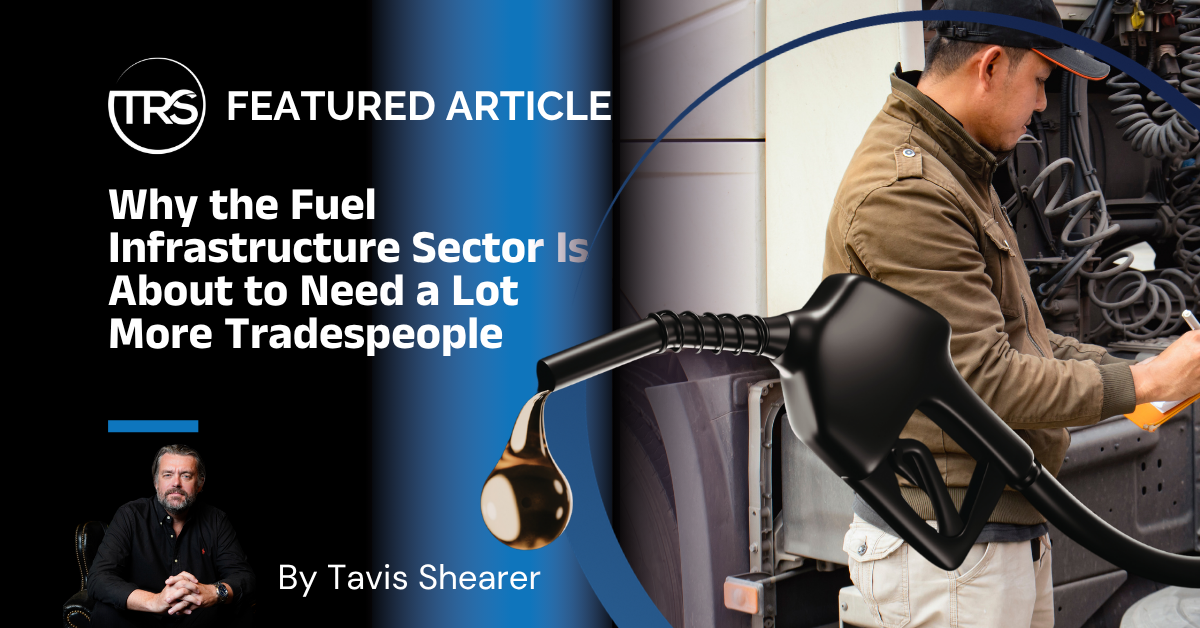
If you spend any time around the businesses building and maintaining Australia’s fuel infrastructure, you can feel something…. Order books are filling up. Project timelines are getting longer, not shorter. And the conversation around the workshop floor is less about whether there’s work coming, and more about is there anyone left to do it.
Fuel infrastructure is heading into a time of sustained demand, and the trades workforce isn’t ready for it. That’s not me being dramatic either, that’s what I’m seeing out in the industry.
The Demand Side Is Building Quietly
A few things are happening at once, and they’re all pointing in the same direction. The Minimum Stockholding Obligation has pushed fuel importers and wholesalers to expand on shore storage. That means more bunded tanks, terminal upgrades, pipework, and commissioning work. At the same time, ageing fuel infrastructure across the country is reaching the point where it needs replacing rather than patching. Adding this the long tail of defence fuel projects, regional bulk storage upgrades, and the churn of commercial tanker fleet replacement, you’ve got a sector thats quietly building a backlog going to land hard on a workforce that’s already stretched.
None of this gets built without boilermakers, pipe fitters, mechanical fitters, and industrial electricians who know what they’re doing in a fuel environment. And those people aren’t sitting around waiting for the phone to ring.
Why You Can’t Just Hire Your Way Out of It
This is the part that catches a lot of businesses off guard. They assume that when the work picks up, they’ll jsut go to market and hire. That logic worked twenty years ago. It doesn’t work now, and it definitely doesn’t work in fuel infrastructure.
The trades who do this work well have usually built their experience over years inside regulated environments. Hazardous area awareness, permit to work discipline, documentation habits, and an understanding of how engineering controls actually function on a live site. None of that is taught in a six week course. It’s built up over time, on real projects, alongside experienced supervisors who knew what good looked like.
What I hear from businesses is that the experienced guys are getting older, and the pipeline behind them is thin. Apprenticeship numbers in heavy fabrication and industrial trades have been soft for years. Migration has helped at the entry level but hasn’t replaced senior, regulated environment experience and the workers who do have that experience know their value, which means they’re not cheap and they’re not easy to retain.
If you’re trying to hire your way out of a workforce shortage in this space, you’re behind. We’ve talked before about the realities of trades and services recruitment, and fuel infrastructure sits at the top end of all of it.
What This Means for Project Timelines
One thing I want business owners and operations leaders in this space to understand from where I sit, workforce availability is now painting the picture of project delivery, not the other way around.
I’ve seen fuel infrastructure projects where the engineering was sorted, the materials were sorted, the client was ready to go, and the only thing holding everything up was finding enough qualified trades to do the work. That used to be a bottleneck you’d hit once in a blue moon. Now it’s default.
What this means in practice is that the businesses winning like this, over the next five years aren’t going to be the ones with the best engineering or the slickest sales pitch. They’re going to be the ones who treated workforce planning seriously and started building their trades pipeline before they needed it.
The Eastern Seaboard Diesel Supply Chain Needs Skilled Trades
Where the Smart Operators Are Already Moving
The businesses doing this well share a few habits. They’ve got long term relationships with recruitment partners who understand fuel infrastructure work, not just generalists with a database. They’re investing in their own apprentices and bringing them through properly, which is slow but necessary. And they’re being realistic about what good looks like and paying accordingly.
They’re also planning hires 12 to 18 months out for major projects, not 3 weeks out when the contract is signed. That sounds obvious. It isn’t. Most businesses are are still hiring reactively, and they’re paying for it in delays, rework, and lost margin.
At TRS, we work across manufacturing and trades recruitment for the businesses delivering this kind of infrastructure, and the difference between operators who plan and operators who scramble is becoming impossible to miss.
The TRS View
Australia’s fuel infrastructure sector is heading into a workforce squeeze that’s been a long time coming. The demand is real, the timelines are getting tighter, and the supply of capable, regulated environment trades is not keeping up.
Guys, if your business depends on this work, the time to get your workforce strategy in order was probably yesterday. The next best time is now. The businesses who treat trades hire as a long term capability rather than a short term transaction will keep delivering. The ones who don’t will be the ones explaining to their clients why projects are slipping.
If your business is in fuel infrastructure and you can see the workforce squeeze coming, we’d welcome the conversation. Reach out to the TRS team directly.
Australia’s Fuel Security Crisis: Is This a Trades Workforce Problem?
If you have any questions, please get in touch with us via this form
